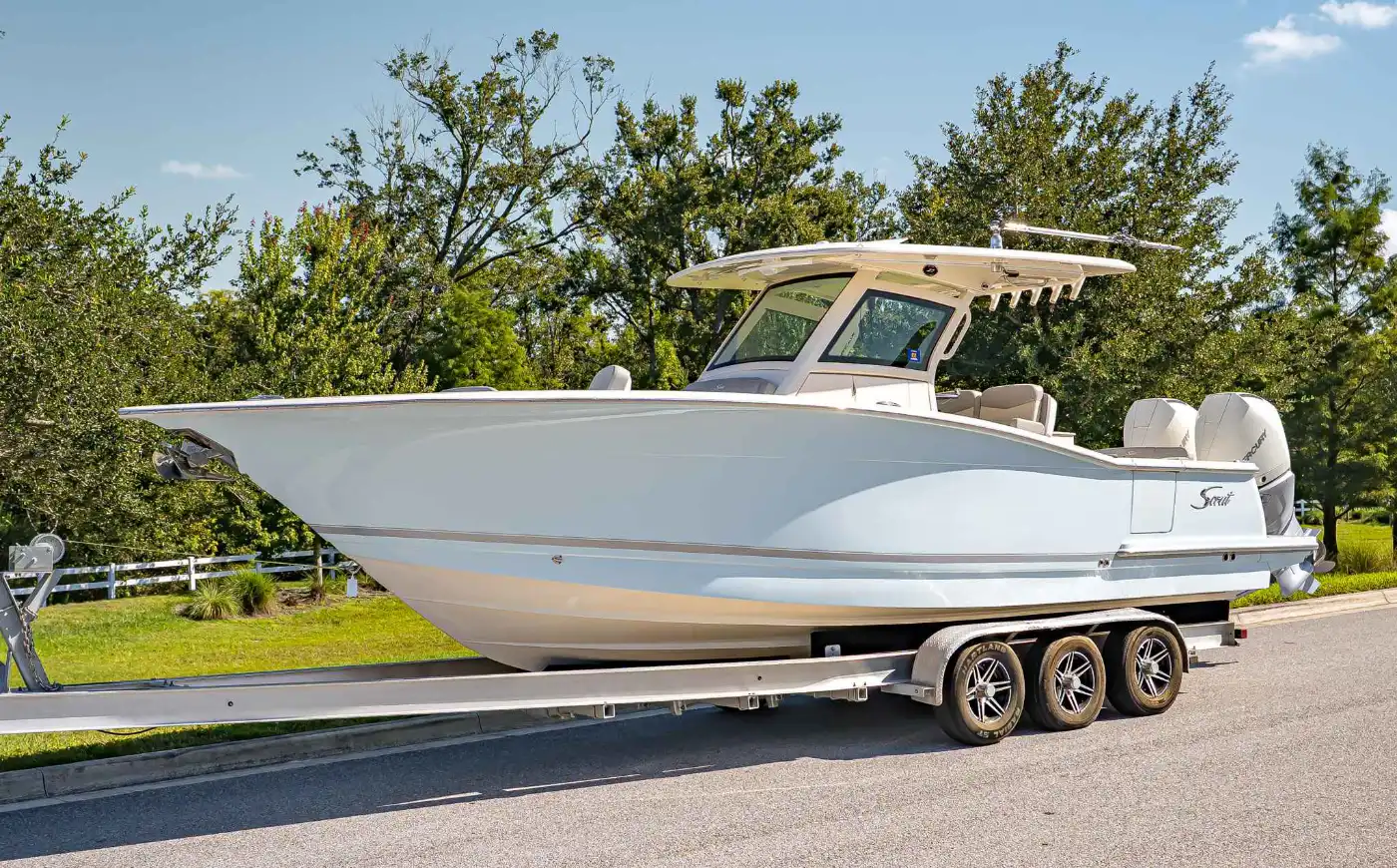
Buying a pre-owned vessel in the Sunshine State is one of the most practical ways to get out on the water without paying the steep premium of a brand-new model. Florida boasts the largest marine market in the United States, meaning buyers have access to a massive inventory of lightly used, highly optioned center consoles, bay boats, and cruisers. However, navigating this fast-moving landscape requires a sharp eye and a structured approach.
The unique Florida marine environment presents distinct variables that do not exist in landlocked states. Between intense ultraviolet exposure, persistent saltwater conditions, and year-round boating schedules, pre-owned vessels here require careful evaluation. Understanding exactly how to assess a hull, verify mechanical health, and manage the purchasing paperwork transforms what could be a high-stress gamble into a smooth, rewarding investment.
The Reality of Florida’s Pre-Owned Boat Market
Florida leads the nation in boat registrations, creating a dynamic secondary market filled with diverse choices. The year-round boating season means vessels do not sit winterized in dark storage yards for six months out of the year. Instead, they stay active.
Active use keeps mechanical components moving, which is often much healthier for a marine engine than prolonged neglect. When marine systems sit idle, seals dry out, fuel degrades, and moisture accumulates in internal cavities. A boat that sees consistent, well-documented use often runs cleaner and experiences fewer unexpected electrical gremlins than an ignored vessel.
The flip side of an active market is structural and aesthetic wear. The Florida sun beats down with intense UV radiation that targets fiberglass gelcoats, marine upholstery, and dashboard electronics. Saltwater adds another layer of operational friction, requiring diligent freshwater flushing and sacrificial anode replacement to combat galvanic corrosion. Recognizing how these regional environmental factors impact a boat will help you separate a well-maintained gem from a neglected liability.
Critical Inspection Points: How to Evaluate a Florida Boat
Never let a shiny coat of fresh wax blind you to the mechanical and structural realities beneath the surface. A systematic, step-by-step inspection is the only way to safeguard your investment.
Structural Integrity and Hull Inspection
The hull is the foundation of your investment, and fixing structural core issues can quickly exceed the actual value of the vessel. Begin your inspection by looking down the sightlines of the hull sides. The fiberglass should be perfectly smooth and uniform. Ripples, waves, or sudden distortions often point to prior impact damage and poorly executed fiberglass repairs.
Walk the deck entirely, pressing down firmly with your heel every few inches. Pay special attention to areas around the helm seat, fuel tank hatches, and the bow fish boxes. Any flexing, softness, or sponginess beneath your weight suggests water intrusion has rotted the internal wood coring or compromised the structural foam layers.
On the transom, look for fine hairline fractures spreading outward from the engine mounting bolts. Stress cracks here indicate that the transom is flexing under the heavy weight and torque of the outboards, which can lead to catastrophic structural failure if left unaddressed.
Deciphering Engine Hours and Mechanical Health
Marine engines operate under constant load, resembling a truck driving up a steep hill all day long. Because of this high-stress environment, assessing mechanical condition is paramount.
[Engine Hours Breakdown]
0 - 300 Hours:
Low usage (Verify maintenance consistency to ensure it wasn't neglected)
300 - 700 Hours:
The Sweet Spot (Optimal mix of active use and remaining operational life)
700+ Hours:
High mileage (Requires comprehensive diagnostic downloads and service records)
Do not rely solely on the digital tachometer display. A qualified marine technician should connect a diagnostic computer directly to the engine’s Electronic Control Module (ECM). This diagnostic report extracts the exact operational history of the motor, documenting:
-
Precise RPM runtime distributions (how long the boat sat idling versus running at wide-open throttle)
-
Historical engine overheat events
-
Low oil pressure warnings
-
Active or historic fault codes
Beyond the computer diagnostics, pull the engine cowling and look for the fine white, powdery residue that signifies a salt-crust buildup. Check all engine block ground wires for green corrosion, which disrupts voltage flow and causes intermittent electrical failures.
Always check the lower unit gear lube. If the oil looks like milky cafe con leche, water has breached the prop shaft seals and contaminated the gearcase, requiring an immediate rebuild.
Electronics and Electrical Infrastructure
The marine environment is brutally unforgiving to electrical systems. Turn on every single switch on the helm panel simultaneously to stress-test the system. Run the livewell pumps, activate the washdown systems, cycle the bilge pumps, and deploy the trim tabs.
Look beneath the helm console at the wiring trunking. You want to see neat, organized, factory-bundled wiring utilizing marine-grade, tinned copper wire with heat-shrink connectors.
Avoid boats that feature a tangled mess of aftermarket wiring, exposed electrical tape, or non-marine automotive components. Untangling a previous owner’s amateur wiring mistakes is an expensive, time-consuming process that frequently causes structural unreliability out on the water.
Choosing Your Buying Path: Dealership vs. Private Party
Where you buy your pre-owned boat matters just as much as what model you choose. The transaction method determines your legal protections, your financing flexibility, and your overall post-purchase peace of mind.
The Private Party Route: Higher Risk, No Safety Net
Purchasing from an individual via classifieds or online marketplaces can occasionally net a lower initial purchase price, but it shifts 100% of the operational risk onto your shoulders. Private sales are strictly “as-is” transactions. If a structural stringer fails or an cylinder loses compression three days after the sale, you have zero legal recourse.
Managing the administrative workflow in a private sale is also notoriously complex. You must independently verify that the hull identification number (HIN) matches the state registration title perfectly, ensure there are no hidden maritime liens against the vessel from unpaid dry-stack fees or repair shops, and confirm that the seller actually owns the outboard motors clear of any outstanding bank loans.
The Full-Service Dealership Route: Professional Risk Mitigation
Buying through an established marine dealership changes the entire dynamic. Professional dealers screen their trade-ins and brokerage inventory before the boats ever hit the sales floor. They reject heavily damaged or mechanically suspect vessels, filtering out the hidden headaches so you don’t have to.
Dealerships employ factory-certified technicians who systematically check compression, inspect internal systems, and resolve mechanical problems before listing a vessel for sale. Furthermore, dealerships handle the entire title transfer, lien verification, and state registration process flawlessly. This eliminates administrative errors and ensures you receive a clean, unencumbered title.
Additionally, buying through a dealer gives you access to specialized marine financing networks, extended service contracts, and a built-in service department for your ongoing maintenance needs.
Matching Your Boat to the Florida Lifestyle
Florida offers incredibly diverse waterways, from shallow bays to deep offshore shipping channels. To maximize your enjoyment, your boat must match the specific geography of your favorite local waters.
Inshore and Flats Environments
If your goals involve chasing redfish in the shallow lagoons of New Smyrna Beach or exploring the pristine backcountry flats of the Florida Keys, draft is your primary concern. You need a vessel that can float comfortably in less than a foot of water.
-
Ideal Models: Technical poling skiffs, light bay boats, or shallow-draft flats boats.
-
Key Features: Low-profile gunwales, quiet hull designs that do not slap when waves hit the bow, and bow-mounted electric trolling motors equipped with GPS anchoring systems.
Coastal and Offshore Waters
If you intend to navigate ocean inlets, head miles offshore into the Atlantic or Gulf stream for pelagic species, or make the crossing to the Bahamas, sea-keeping ability becomes your top priority. You need a hull designed to carve through heavy chop while keeping the passengers dry and secure.
-
Ideal Models: Deep-V center consoles, dual consoles, or walkaround express models.
-
Key Features: A sharp bow entry, a deadrise angle of 21 to 24 degrees at the transom to cushion landings, high freeboard to keep water out, and self-bailing cockpits that shed water instantly through large deck scuppers.
Intercoastal Cruising and Sandbar Socializing
For families who prefer drop-anchor days at local sandbars, cruising the Intracoastal Waterway, or pulling up to waterfront restaurants, comfort and social layout take precedence over specialized fishing features.
-
Ideal Models: Large deck boats, high-performance pontoons, or modern dual consoles.
-
Key Features: Plentiful forward lounger seating, integrated swim platforms with heavy-duty boarding ladders, premium marine audio systems, onboard marine heads (toilets), and expansive Bimini tops or fiberglass hardtops to provide critical shade during peak afternoon heat.
Marine Financing and Smart Trade-In Strategies
Securing competitive financing for a pre-owned vessel differs significantly from traditional automotive loans. Marine lenders view boats as luxury recreational assets, meaning their underwriting guidelines focus closely on the age, brand reputation, and overall condition of the vessel.
Navigating Pre-Owned Boat Financing
While standard automotive loans max out at five to seven years, specialized marine lenders routinely offer extended amortization schedules ranging from 10 to 20 years for qualified vessels. These longer terms keep your monthly payments manageable, allowing you to retain capital for operational costs, slip rentals, and fuel.
Lenders generally require a down payment between 10% and 20% of the total purchase price. They also rely heavily on marine valuation guides like MarineBlueBook to establish the maximum loan-to-value ratio.
When purchasing through a reputable dealer, you can bundle electronics upgrades, custom canvas covers, and extended mechanical service contracts directly into a single, unified loan package. This keeps your out-of-pocket setup costs to an absolute minimum.
Maximizing Your Trade-In Value
If you currently own a boat and want to upgrade, trading it in at a dealership is far more advantageous than trying to sell it yourself on the open market. Selling a boat privately involves endless weekend showing appointments, dealing with unqualified buyers who cannot secure financing, and paying continued insurance and storage fees while the vessel sits unsold.
A dealership transaction simplifies this entirely. They assess your current boat, offer a fair wholesale value, and apply that amount directly to your next purchase.
In Florida, trading a vessel to a dealer offers a significant tax benefit. You only pay the state sales tax on the net difference between your trade-in allowance and the purchase price of your new boat, saving you hundreds or even thousands of dollars in upfront transaction costs.
The Critical Importance of Post-Purchase Marine Support
The true value of a pre-owned boat purchase is revealed long after the initial paperwork is signed. Marine engines demand strict adherence to preventative maintenance schedules to ensure long-term reliability and protect their resale value.
[The Essential 100-Hour Marine Maintenance Routine]

Engine Oil & Filters:    Drain and replace to remove internal contaminants and condensation
Gearcase Lubricant:      Change lower unit oil; inspect drain plugs for metal fragments

Fuel-Water Separators:   Install fresh filters to prevent phase-separated fuel damage

Spark Plugs & Zincs:     Inspect and replace internal anodes to stop galvanic corrosion

Water Pump Impeller:     Replace the rubber impeller annually to prevent engine overheating
Working with a full-service dealer gives you immediate access to factory-trained technicians who understand the nuances of your specific propulsion system. Whether you are running a high-horsepower four-stroke outboard or a complex inboard diesel system, having an established relationship with a dedicated marine service center ensures your boat receives priority scheduling for routine maintenance and winter lay-up checks.
Furthermore, a full-service dealership maintains a meticulous electronic log of your entire service history. When the time eventually arrives for you to trade up to a larger vessel, having a comprehensive, single-source record of professional maintenance maximizes your boat’s resale value and reassures the next buyer that the vessel was cared for properly.
Quick Summary
-
Environmental Factors: Florida’s sun and saltwater demand rigorous inspections; look for signs of UV damage, gelcoat oxidation, and galvanic corrosion on all metal components.
-
Hull Inspection: Check the sightlines for signs of fiberglass repairs, walk the decks to detect soft spots or core rot, and inspect the transom for stress cracks.
-
Mechanical Verification: Always have a certified marine technician pull an ECM diagnostic download to verify exact engine hour history, past overheat faults, and historical codes.
-
Dealer vs. Private: Dealerships eliminate transaction risks by vetting inventory, handling complex title and lien paperwork, and offering competitive financing and warranties.
-
Lifestyle Matching: Match the hull design to your waters—choose shallow drafts for inshore flats, deep-Vs for offshore waters, and comfortable seating layouts for sandbar cruising.
-
Tax Advantages: Trading in your old vessel at an authorized dealer allows you to pay Florida state sales tax only on the net difference, keeping extra cash in your pocket.
Ready to Find Your Perfect Vessel?
The open water is calling, and finding the right boat doesn’t have to be a stressful guessing game. Our expert team is ready to guide you through every step of the process, from selecting the ideal hull design for your lifestyle to securing competitive financing and providing world-class factory service.
Explore our meticulously vetted inventory or learn more about how we can help you upgrade your time on the water by reviewing our comprehensive resource on Sea Hunt boats for sale.
If you are ready to experience the difference that expert guidance, total transparency, and dedicated post-purchase support can make, reach out to our team today to schedule an inspection or setup a sea trial. Connect with our marine specialists right now through our Ultimate Marine contact page to turn your boating dreams into reality.
SUPPORTING SERVICE LINKS
Dealership Locations